• Lean Six Sigma Master Black Belt
  • Chemical Engineer
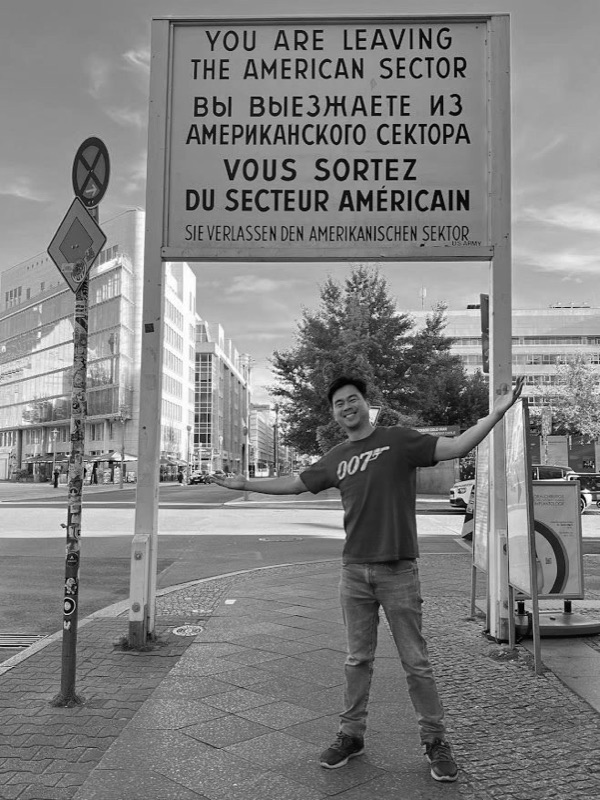
Jodl Gayatin with open arms under the Checkpoint Charlie sign in Berlin
  • MBA, UCAM, Murcia, Spain
  • Based in Cebu, Philippines

Engineer. Black Belt. Slowmad.

I spent 20+ years learning why work breaks. Then I designed my own work to run without me. Now I do the same for teams.

( 01 )

You’re the one holding it together

Before my story, yours

You’re the person everyone calls when it breaks. You know which spreadsheet is lying, which handoff drops the ball, and which client will email at five on a Friday. You’re very good at it. That’s the problem: the whole operation now depends on you being good at it.

I know that seat. I’ve sat in it in offices, on shop floors and in programmes spread across several countries. Read what follows as the story of how I got out of it, and how you can design your way out too.

If the work only runs because you’re holding it up, you don’t have a system yet. You have a very tired person.

Book the Diagnosis

How does an engineer end up chasing eclipses?

Keep reading.

Scroll to the story
( 02 )

How I learned to look first

Three chapters, one lesson each

  1. Effort doesn’t fix a bad design

    I started as a chemical engineer. Engineering teaches you a useful humility early: a process responds to how it was set up, not to how much anyone wanted it to work. Later, in manufacturing and BPO, I watched the same law apply to people’s work. Teams were rarely the problem. They were trying hard inside designs nobody had questioned. Fix the design, and the same people suddenly looked brilliant.

    Lesson carried forward:

    I look at the process before I look at the people, because that’s almost always where the answer is.
  2. A broke MBA student in Murcia

    Years later I was a broke MBA student in Murcia, Spain, learning to stretch a euro and to see business from the outside. Then came regional programmes with international NGOs across India, Thailand, Vietnam and Indonesia, often leading multicultural teams where “done” could mean four different things. That’s where I learned that a process has to make sense to someone who wasn’t in the meeting.

    Lesson carried forward:

    I design work that’s clear enough to survive translation, turnover and everyone who wasn’t in the room.

  3. Designing a life that runs without me

    At some point I turned the method on myself. I moved from nomad to slowmad: longer stays, focused work blocks, fewer flights. My work had to keep running from Warsaw, from a coworking desk in Cebu, from wherever the week took me. So I built it that way: clear priorities, simple systems, nothing that only works while I’m watching. It’s the same design brief I now bring to every team.

    Lesson carried forward:

    I don’t just recommend systems that run without the boss. I live inside one.

Travel isn’t an escape for me. It’s how I see patterns more clearly.

Jodl Gayatin
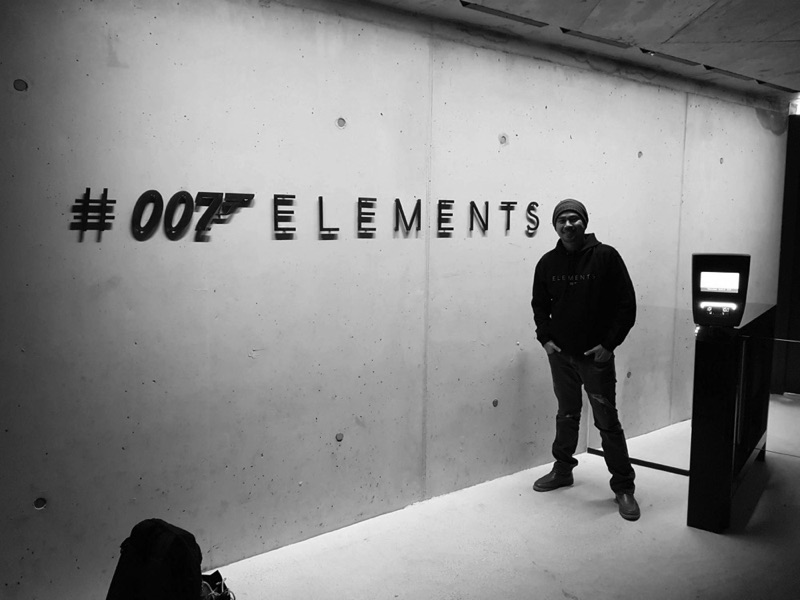
Jodl Gayatin in a beanie standing beside the 007 Elements sign in Sölden, Austria
  1. Engineering
  2. Manufacturing
  3. Murcia
  4. Asia
  5. Slowmad
  6. Your team?
( 03 )

Calm is designed.

The moment it made sense

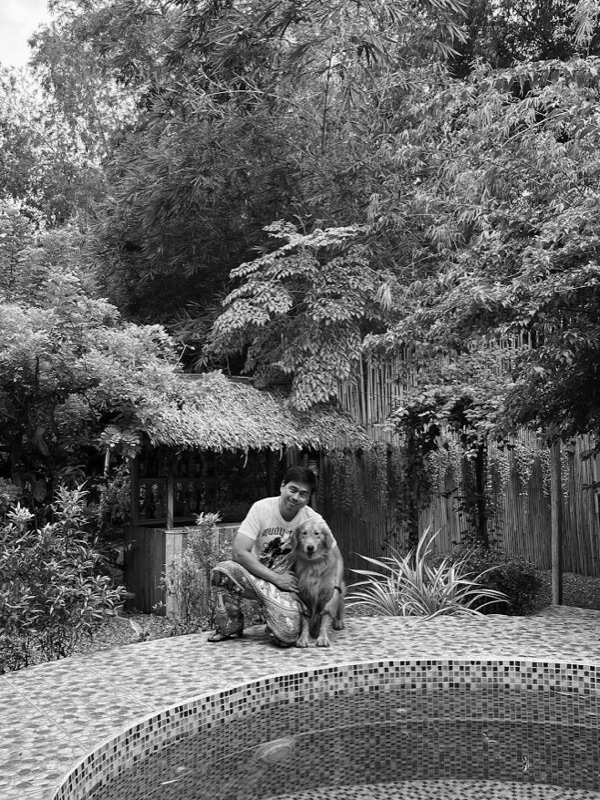
Jodl Gayatin crouching beside a golden retriever next to a pool in a tropical garden

Somewhere along the way I noticed that the teams I admired most weren’t the busiest. They were the calmest. Not because they cared less, but because someone had taken the time to design how the work flowed.

That’s the work I want to do. Not rescue missions. Not heroics. Not another framework laminated on the wall. Just honest design that lets good people do good work and go home on time.

Busy teams are everywhere. Calm teams are rare, and they are almost never an accident.

Book the Diagnosis

( 04 )

What’s behind the method

The paper trail

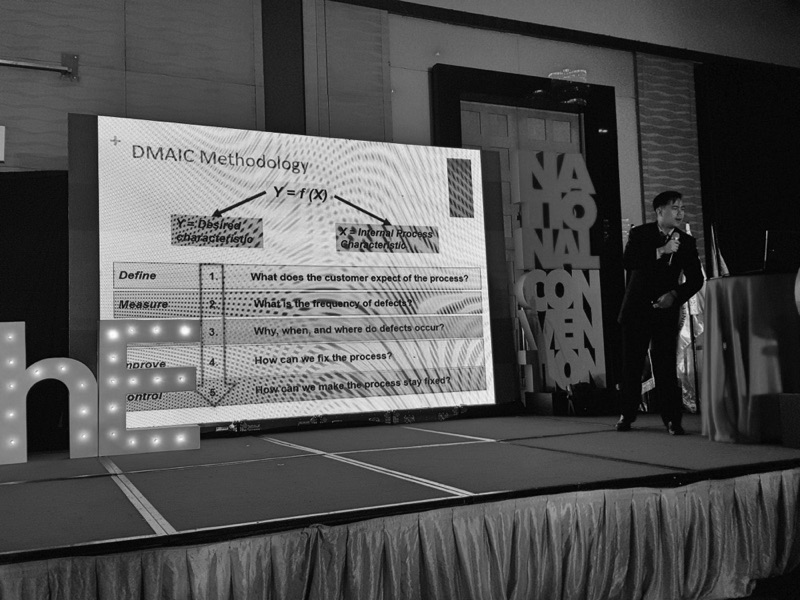
Jodl Gayatin presenting the DMAIC methodology at the PIChE National Convention
On stage at the PIChE National Convention, 2019
  • Lean Six Sigma Master Black Belt
  • Chemical Engineer
  • MBA UCAM, Murcia, Spain
  • 20+ years Manufacturing, BPO, academe and international NGOs
  • Regional programmes India, Thailand, Vietnam, Indonesia
  • ESG and environmental management Including Pollution Control Officer training
  • Speaker PIChE National Convention, 2019; Growth Summit, 2020
  • Author Backpacking in Europe
( 05 )

Systems I run for fun

Proof, disguised as hobbies

Each one is a small system I designed to keep running on its own. Each one taught me something I now bring to your team.

( 01 )

2,500 days of Duolingo

It began with a few minutes of Spanish a day. Learn a word, keep the streak alive, get on with dinner. Years later it’s still running, because the habit was designed smaller than my worst day.

What it taught me: small, daily and unbreakable beats big and heroic.

( 02 )

The Camino Primitivo

In 2018 I walked the Camino de Santiago on the Primitivo route. Long days, one backpack, and a body that complains about every unnecessary gram.

What it taught me: carry only what serves the journey. Processes are the same.

Annular solar eclipse over the sea at Qingdao with a fishing boat silhouetted

( 03 )

Chasing eclipses

Shanghai 2009 was overcast, and we still felt the temperature drop at totality. Since then: Qingdao, Palembang, and plans for August 2027. You can’t reschedule the sky.

What it taught me: good planning doesn’t guarantee the view. It guarantees you’re in the right place.

( 04 )

DJ PapaNacho

I ran an FMEA on my first DJ gig: every way the night could fail, scored and planned for. Murphy still won.

What it taught me: risk analysis doesn’t make you bulletproof. It makes you calmer when something breaks anyway.

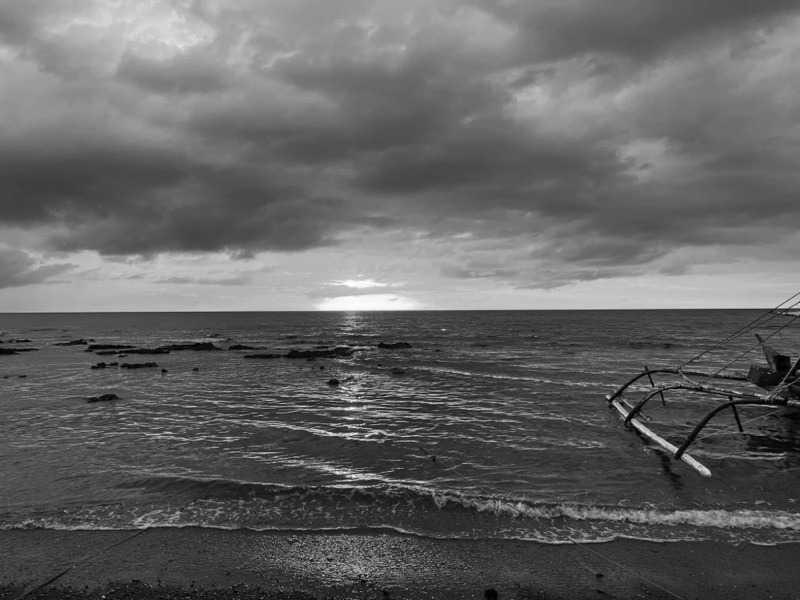
The last sunset of 2024 over the sea with a fishing outrigger in the foreground

( 05 )

The last sunset

For the past 25 years I’ve watched the last sunset of the year. A tiny ritual, and one I keep.

What it taught me: the simplest review process is stopping, looking back, and choosing what to carry into next year.

( 06 )

Europe on a Philippine passport

Five backpacking trips across Europe, distilled into a book of practical tips for travellers with a tight budget and a visa to apply for.

What it taught me: visa paperwork is the least forgiving process I’ve ever had to improve.

Each of these keeps running without anyone supervising it. That’s exactly what I want for your team’s work.

Read the travel reflections

( 06 )

Bring me your Tuesday

Online, or over coffee in Cebu

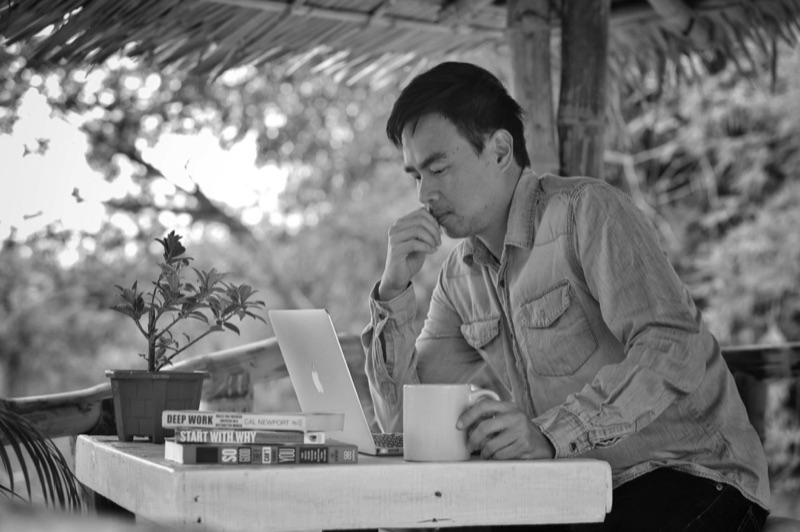
Jodl Gayatin at work with a laptop and a mug of coffee

If something in this story sounded like your Tuesday, let’s look at it together. Bring one problem that keeps coming back. I’ll bring the questions.

Based in Cebu, Philippines. Working with teams in person and remotely.

I designed my way out of that seat. Let’s design yours.